Product Description
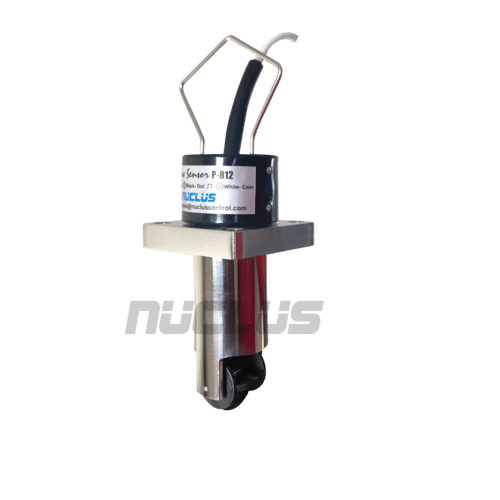
Ever since our establishment in this domain, we have been engaged in manufacturing, supplying and exporting top grade Paddle Wheel Flow Sensors that are popularly used for velocity of liquids, gases and vapors in the pipes such as water, hydrocarbons, cryogenic liquids etc. These meters consist of three primary components, which are paddle wheel sensor (generate frequency and voltage signals proportional to the flow rate of the liquid), pipe fitting and display controller (receive the signal from the paddle wheel meter and convert it into actual flow rate). The offered paddle wheel flow sensors are made from quality assured raw materials in accordance with the set industry standards.
Benefits of Paddle wheel
- High flow reading accuracy
- Ideal for gravity flow as these have no pressure drop property
- Easy to install and operate
Types of Sensor Installation Fittings:
- Weld Block
- S.S T Fitting with Threaded End
- S.S T Fittings with Stud End
- S.S. T Fitting with Welded Flange
- Weld Adapter
Applications:
- Water Treatment
- Filtration Systems
- Chemical / Pharmaceutical
- Bottling / Distillary
- Concrete Batching plant
- Textile / Process machine automation
Technical Specifications:
|
Cable Length
|
5 Mtr. (16.5 Ft) Standard
|
|
Flow Rate Range
|
0.5 to 5 m/s ( 1. 6 to 16.4 Ft / s)
|
|
Pipe Size Range
|
15 NB to 300 NB ( 0.5 to 12 inch . )
|
|
Supply Current
|
20 mAh, 10 to 24 VDC
|
|
Supply Voltage
|
10 t o 24 VDC Regulated
|
Frequently Asked Questions
What is paddle wheel flow sensor?
Since paddle wheel flowmeters monitor fluid velocity, changes in the fluid's viscosity may have an impact on their readings as they detect flow at the flow profile's edge.
What are the components of a paddle wheel flow meter?
Pipe fitting, paddlewheel sensor, and display/controller are the three main parts of a paddlewheel flowmeter. To suit the specific needs of the application, these parts can be ordered separately or as a bundle.
What is the purpose of a flow sensor?
A flow sensor is an element that gauges the movement of a fluid, such as a liquid or gas. To measure changes in the fluid's physical characteristics and determine its flow, flow sensors make use of both electrical and mechanical subsystems.
What are the two main uses of flow sensors?
They are frequently utilised in septic systems, medical equipment, HVAC systems, and chemical manufacturing facilities. Leaks, obstructions, pipe bursts, and changes in liquid concentration brought on by contamination or pollution can all be found with flow sensors.
Versatile Application CompatibilityThis paddle wheel flow sensor is engineered for seamless integration into a variety of industrial environments. Its compatibility with pipe diameters from DN15 to DN100 and its capacity to measure a wide flow velocity range (0.5-10 m/s) make it ideal for water treatment plants, irrigation setups, chemical dosing, and HVAC systems.
Durable Construction and Minimal MaintenanceManufactured with a robust polypropylene housing and PVDF paddle wheel, the sensor offers strong resistance to chemical corrosion and mechanical wear. Regular maintenance needs are minimal; the paddle wheel can be easily cleaned, ensuring longevity and consistent measurement accuracy.
Easy Installation and Reliable PerformanceThe inline insertion design with a standard 1 1/2 inch thread simplifies installation procedures. The sensor features a wired pulse output for direct connection to meters or control systems, minimizing wiring complexity. With an IP65 ingress protection rating, it operates reliably under demanding industrial conditions.
FAQ's of Paddle Wheel Flow Sensor:
Q: How does the paddle wheel flow sensor measure liquid flow rate?
A: The sensor operates by having a paddle wheel inserted directly in the liquid flow path inside the pipe. As the liquid moves, it spins the paddle, generating a digital pulse output that is proportional to the flow rate. This signal can be sent to an external meter for accurate flow measurement.
Q: What are the typical usage scenarios for this sensor?
A: This paddle wheel flow sensor is widely used in industrial water treatment, irrigation systems, chemical dosing processes, and HVAC applications. Its rugged construction and corrosion resistance make it suitable for handling various liquids in full pipe conditions.
Q: When is external instrumentation required with this sensor?
A: Since the sensor does not include a local display, an external meter or flow controller is required to interpret the sensor's pulse output. The pulse output can be easily connected to compatible monitoring systems for real-time flow data.
Q: Where can this sensor be installed, and what is the installation process?
A: The sensor is designed for inline insertion into pipes with diameters ranging from DN15 to DN100 using a standard 1 1/2 inch mounting thread. Installation involves securely attaching the sensor to the appropriate port on the pipe and connecting the output cable to the monitoring or control system.
Q: What benefits does factory calibration provide for users?
A: Factory calibration ensures that each sensor is precisely tuned for accurate flow measurements right out of the box. This minimizes the need for on-site calibration while delivering an accuracy of 1.5% of reading.
Q: How should the sensor be maintained to ensure optimal performance?
A: Routine maintenance is minimal; users should periodically inspect and clean the paddle wheel to prevent debris buildup. The robust materials used in construction make the sensor both durable and easy to service, supporting long service life.
Q: What are the key advantages of using this paddle wheel flow sensor?
A: The sensor offers reliable, high-resolution measurements, low power consumption (<1W), chemical resistance, easy installation, and quick response time (<500 ms). Its IP65 rating and broad operating temperature range make it suitable for demanding industrial environments.




 English
 Spanish
 French
 German
 Italian
 Chinese (Simplified)
 Japanese
 Korean
 Arabic
 Portuguese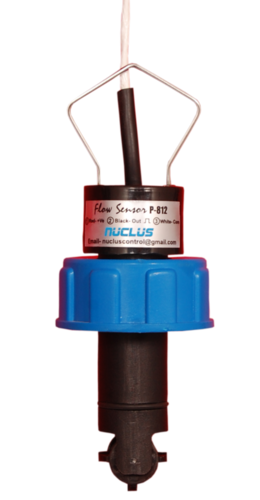










 Send Inquiry